

Browse ENESST courses in one catalogue and use the filters to find the learning option that best fits your goals.
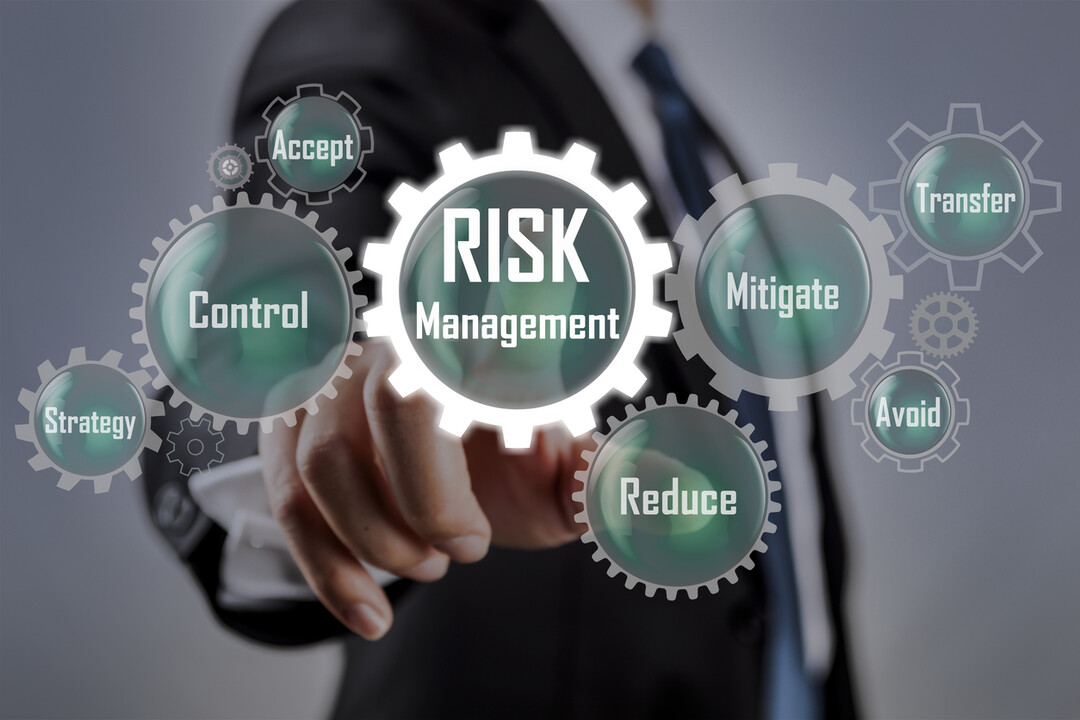
Banks had attracted several customers to their digital platforms in the last half of the century, even before the pandemic. However, concerns and hesitation from customers regarding risks in digital banking were obstructing this transformational journey. COVID-19 accelerated the adoption of Digitech. Digital banking products and services are now flourishing both in payment and lending domain. On one hand, we see openness to adoption, on the other hand, with increasing growth, increase in various systems and technology risk comes into play. Keeping these concerns in view, we will discuss common risk in bank’s digital domain and actions taken by banks to mitigate these risks underpinning customers’ confidence
 By Expert Instructor

This course aims to help participants learn how to enhance the operational risk management and resilience capabilities of their organizations. In particular, we focus on how the recent COVID-19 disaster made plain the strategic weaknesses of most organizations insofar as withstanding and responding to surprises. While the Covid pandemic was, by most accounts, unpredictable, the responses to it varied—often becoming the determining factor in whether an organization survived. Operational Risk Management & Resilience Course addresses these concerns by making operational risk management a strategic, forward-looking undertaking that aims to constantly position and reposition the organization in light of changing internal and external challenges. This approach breeds resilience.
By Expert Instructor
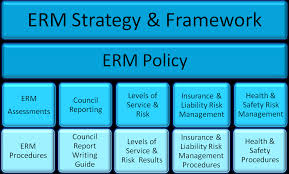
In today’s world of evolving technologies and an ever changing business environment, organizations are taking on increasing levels of risk. Some risks may be known and understood, other may be known but not properly understood and there will also be some risks that are unknown. Having the right processes in place is a way forward to avoid unknowns and ensure a proper understanding on risk. On paper, this may sound easy to implement and manage. In practice, it requires a cultural shift for people to take risk-based decision based to ensure organisation can meet the strategic objective set. This course covers the basic concepts of Enterprise Risk Managemen
By Expert Instructor
A The nature, source and purpose of management information 1. Accounting for management 2. Sources of data 3. Cost classification 4. Presenting information B Data analysis and statistical techniques 1. Sampling methods 2. Forecasting techniques 3. Summarising and analysing data 4. Spreadsheets C Cost accounting techniques. 1. Accounting for material, labour and overheads 2. Absorption and marginal costing 3. Cost accounting methods 4. Alternative cost accounting principles D Budgeting 1. Nature and purpose of budgeting 2. Budget preparation 3. Flexible budgets 4. Capital budgeting and discounted cash flow 5. Budgetary control and reporting 6. Behavioural aspects of budgeting E Standard costing 1. Standard costing system 2. Variance calculations and analysis 3. Reconciliation of budgeted and actual profit F Performance measurement 1. Performance measurement – overview 2. Performance measurement – application 3. Cost reductions and value enhancement 4. Monitoring performance and reporting
By Expert Instructor

The syllabus A The context and purpose of financial reporting 1. The scope and purpose of financial statements for external reporting 2. Users’ and stakeholders’ needs 3. The main elements of financial reports 4. The regulatory framework (legislation and regulation, reasons and limitations, relevance of accounting standards) 5. Duties and responsibilities of those charged with governance. B The qualitative characteristics of financial information 1. The qualitative characteristics of financial information C The use of double-entry and accounting systems 1. Double-entry book-keeping principles including the maintenance of accounting records and sources of accounting information 2. Ledger accounts, books of prime entry, and journals D Recording transactions and events 1. Sales and purchases 2. Cash 3. Inventory 4. Tangible non-current assets 5. Depreciation 6. Intangible non-current assets and amortisation 7. Accruals and prepayments 8. Receivables and payables 9. Provisions and contingencies 10. Capital structure and finance costs E Preparing a trial balance 1. Trial balance 2. Correction of errors 3. Control accounts and reconciliations 4. Bank reconciliations 5. Suspense accounts F Preparing basic financial statements 1. Statements of financial position 2. Statements of profit or loss and other comprehensive income 3. Disclosure notes 4. Events after the reporting period 5. Statements of cash flows 6. Incomplete records G Preparing simple consolidated financial statements 1. Subsidiaries 2. Associates H Interpretation of financial statements 1. Importance and purpose of analysis of financial statements 2. Ratios 3. Analysis of financial statements
By Expert Instructor
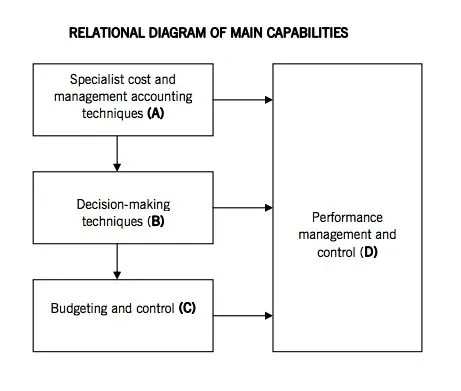
A. Information, technologies and systems for organizational performance 1. Managing information 2. Sources of information 3. Information systems and data analytics B. Specialist cost and management accounting techniques 1. Activity-based costing 2. Target costing 3. Life-cycle costing 4. Throughput accounting 5. Environmental accounting 1. C Decision-making techniques 1. Relevant cost analysis 2. Cost volume analysis 3. Limiting factors 4. Pricing decisions 5. Make-or-buy and other short-term decisions 6. Dealing with risk and uncertainty indecision-making D. Budgeting and control 1. Budgetary systems and types of budget 2. Quantitative analysis in budgeting 3. Standard costing 4. Material mix and yield variances 5. Sales mix and quantity variances 6. Planning and operational variances 7. Performance analysis E. Performance measurement and control 1. Performance analysis in private sector organisations 2. Divisional performance and transfer pricing 3. Performance analysis in not-for-profit organisations and the public sector 4. External considerations and behavioral aspects
By Expert Instructor

Syllabus A The business organisation, its stakeholders and the external environment 1. The purpose and types of business organisation 2. Stakeholders in business organisations 3. Political and legal factors affecting business 4. Macroeconomic factors 5. Micro economic factors 6. Social and demographic factors 7. Technological factors 8. Environmental factors 9. Competitive factors B Business organisational structure, functions and governance 1. The formal and informal business organisation 2. Business organisational structure and design 3. Organisational culture in business 4. Committees in business organisations 5. Governance and social responsibility in business C Accounting and reporting systems, compliance, control, technology and security 1. The relationship between accounting and other business functions 2. Accounting and finance functions within business organisations 3. Principles of law and regulation governing accounting and auditing 4. The sources and purpose of internal and external financial information, provided by business 5. Financial systems, procedures and related IT applications 6. Internal controls, authorisation, security of data and compliance within business 7. Fraud and fraudulent behaviour and their prevention in business, including money laundering. 8. The impact of Financial Technology (Fintech) on accounting systems D Leading and managing individuals and teams 1. Leadership, management and supervision 2. Recruitment and selection of employees 3. Individual and group behaviour in business organisations 4. Team formation, development and management 5. Motivating individuals and groups 6. Learning and training at work 7. Review and appraisal of individual performance. 8. The application and impact of Financial Technology (FinTech) in accountancy and audit E Personal effectiveness and communication 1. Personal effectiveness techniques 2. Consequences of ineffectiveness at work 3. Competence frameworks and personal development 4. Sources of conflicts and techniques for conflict resolution and referral 5. Communicating in business. F Professional ethics in accounting and business 1. Fundamental principles of ethical behaviour 2. The role of regulatory and professional bodies in promoting ethical and professional standards in the accountancy profession 3. Corporate codes of ethics 4. Ethical conflicts and di
By Expert Instructor

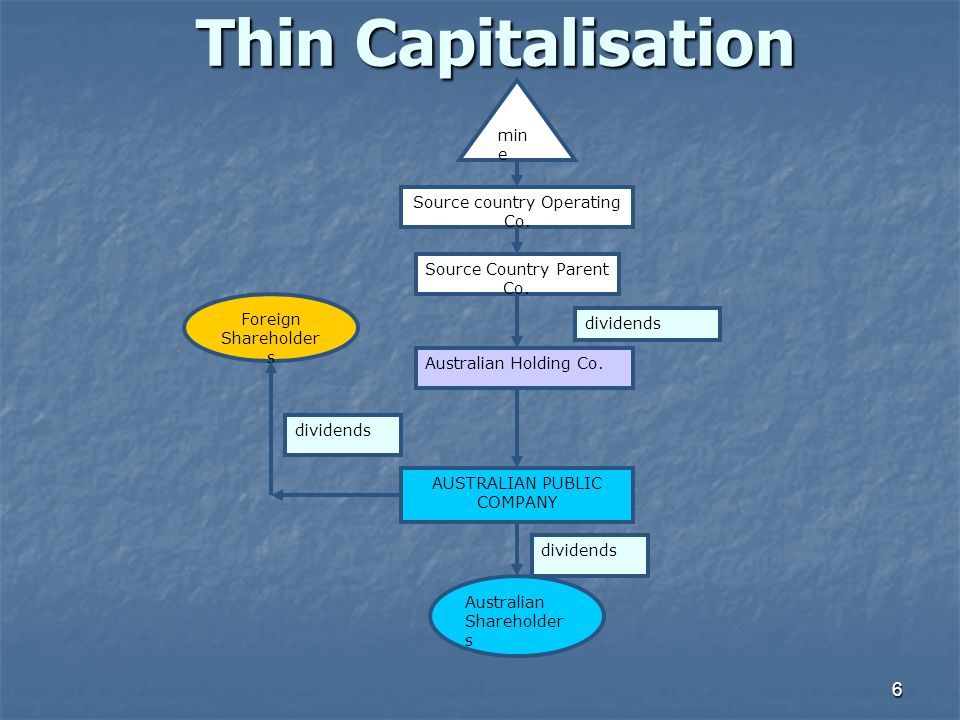
What is Thin CapitalizationThin Capitalization As a Tool of Tax PlanningWhy debt rather than equityTax Treatment of Debt Vs Equity An Illustrative ExampleMeasures Against Thin CapitalizationCommon Application ProblemsAdvances by Parent Companies is It Debt or EquityExisting Approaches to Limiting Interest DeductionsWhat the Income Tax Act providesComparative Analysis for Selected CountriesAnti Avoidance Rules
By Expert Instructor
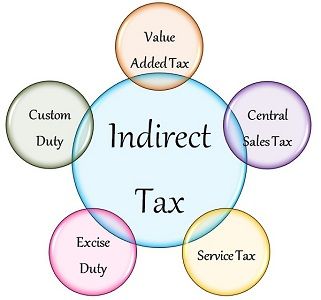
i) To impart tax and duty laws, policies and practice competence in both direct and indirect taxes in respect of: a) Income Tax b) VAT and c) Excise Duty ii) To provide knowledge on legal principles of Income Tax, VAT and Excise Duty that are applied in administration of these taxes and duties; and in advising taxpayers and duty payers; as well as tax consultants and tax/duty collectors iii) To bring an understanding on the difference between income and taxable income on one hand and capital gains and taxable capital gains on the other hand iv) To provide insight on emerging tax issues and on tax cases ruled by the courts so as to facilitate in the administration of the taxation
By Expert Instructor
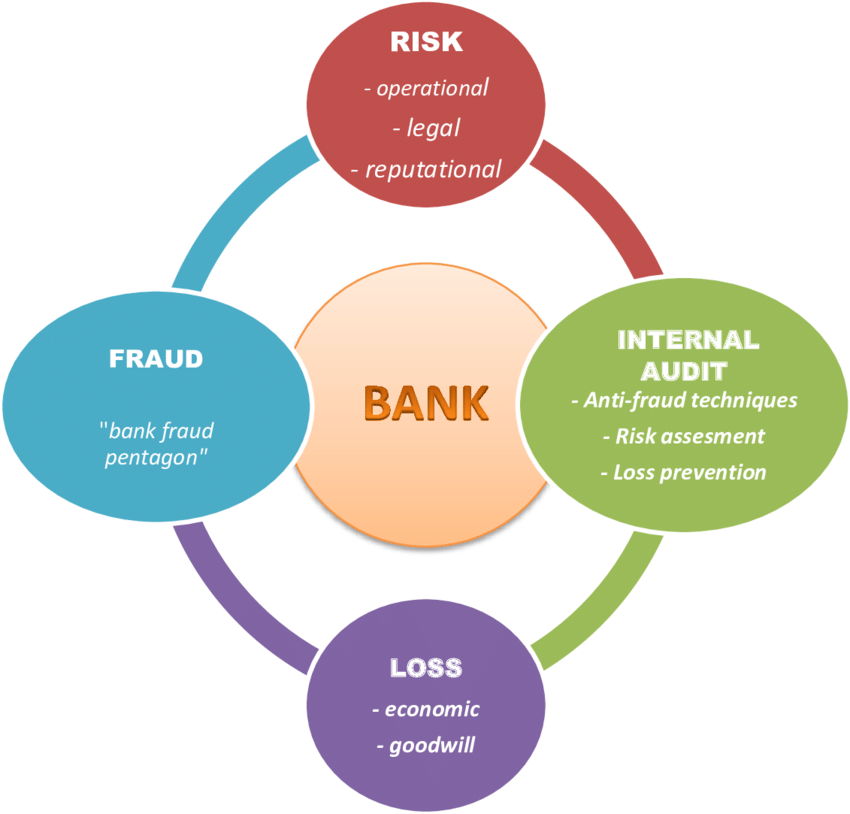
<!--[if gte mso 9]><xml> </xml><![endif]--><!--[if gte mso 9]><xml> Normal 0 false false false EN-GB X-NONE X-NONE </xml><![endif]--><!--[if gte mso 9]><xml> </xml><![endif]--><!--[if gte mso 10]> <style> /* Style Definitions */ table.MsoNormalTable {mso-style-name:"Table Normal"; mso-tstyle-rowband-size:0; mso-tstyle-colband-size:0; mso-style-noshow:yes; mso-style-priority:99; mso-style-parent:""; mso-padding-alt:0in 5.4pt 0in 5.4pt; mso-para-margin-top:0in; mso-para-margin-right:0in; mso-para-margin-bottom:10.0pt; mso-para-margin-left:0in; line-height:115%; mso-pagination:widow-orphan; font-size:11.0pt; font-family:"Calibri",sans-serif; mso-ascii-font-family:Calibri; mso-ascii-theme-font:minor-latin; mso-hansi-font-family:Calibri; mso-hansi-theme-font:minor-latin; mso-bidi-font-family:"Times New Roman"; mso-bidi-theme-font:minor-bidi; mso-ansi-language:EN-GB;} </style> <![endif]--> I. Increased financial inclusivity and innovation II. Banking streams of revenue (a) Interest income (b) Fees and commission (c) Foreign exchange trading income (d) Income from investment- dividends, rent (e) Income from custodial services III. Banking expenditure (a) Interest paid (b) Provision for loan loss (c) Staff costs (d) Other emoluments (e) Rent (f) Dividends IV. Payments and Expenditure attracting Withholding Taxes V. Directors and related party transactions VI. Tax Audit and Documentation to be Reviewed
By Expert Instructor